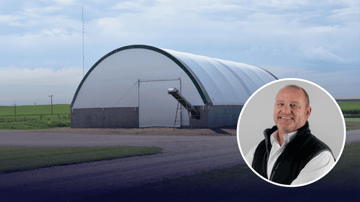


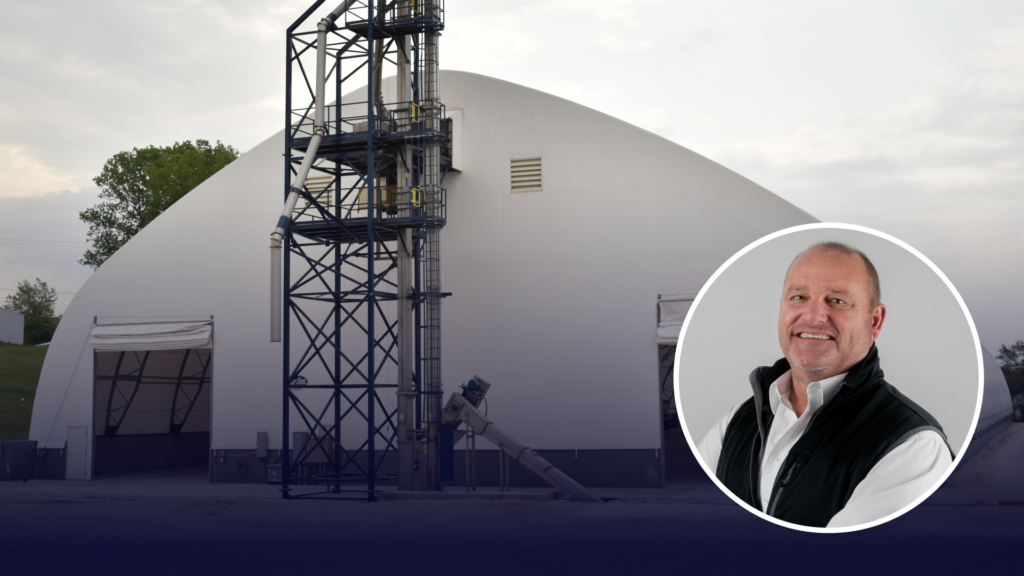
Q&A with Tony Holder: Insights on On-Farm Fertilizer Storage
Q: You spent years managing agronomy departments—what did you learn about the importance of fertilizer storage?
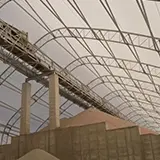
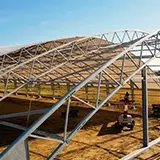
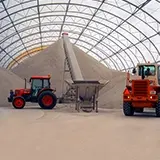
A: One of the most important takeaways is that proper fertilizer storage is crucial to protecting your investment and maximizing operational efficiency. Fertilizer is inherently corrosive, so using durable, corrosion-resistant materials—like hot-dipped galvanized steel and stainless-steel components—is key to long-term success and safety.
Q: What are the biggest advantages of storing fertilizer on-farm instead of relying on off-site options?
A: There are a few major benefits:
- Cost Savings: On-farm storage allows you to buy fertilizer when prices are lower and avoid rising costs and uncertainties tied to off-site storage or last-minute purchases. Over time, this can lead to significant financial savings.
- Flexibility & Convenience: With fertilizer on-site, you’re not reliant on external suppliers. You can apply products when it makes the most sense for your operation—on your own schedule. That kind of control is a game-changer.
Q: What should farmers consider when thinking about building a fertilizer storage facility?
A: Here are the top questions to ask yourself:
- Is this a good investment for my operation? Consider whether the long-term cost savings, flexibility, and reduced market risk outweigh the initial building costs.
- Am I choosing a high-quality, durable structure? Don’t cut corners. A well-built, customizable solution will last longer and serve your needs better than a generic budget option.
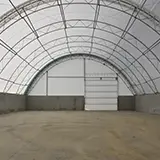
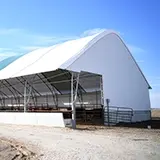
Does the design meet my unique needs? Think about airflow, lighting, budget, and whether the building could serve multiple purposes throughout the year.
Q: Are there scenarios where on-farm fertilizer storage doesn’t make sense?
A: Yes—if your farm is smaller or doesn’t require a high volume of fertilizer, the return on investment might not justify the initial build cost. In that case, relying on off-site storage could be more practical. It all comes down to your operation’s specific needs and scale.
Q: What advice would you give to a farmer who’s just starting to plan a fertilizer storage building?
A: Don’t settle. Make sure the building is tailored to your needs—after all, it’s your operation and your investment. We’re here to help you design a solution that aligns with your long-term goals.
Q: What’s a common misconception about fertilizer storage buildings?
A: Cost is a big one. Many farmers assume a high-quality building is financially out of reach. But when you look at the return on investment—through flexibility, convenience, and long-term savings—it often makes solid financial sense. Plus, we offer solutions for a wide range of budgets.
Q: What makes Accu-Steel stand out in the fertilizer storage industry?
A: A few things set us apart:
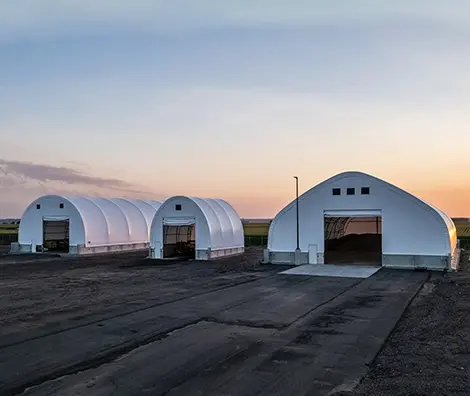
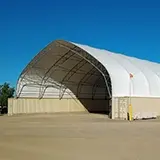
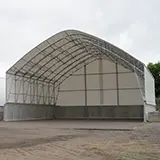
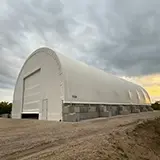
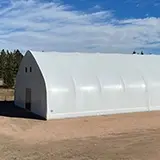
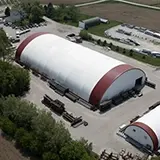
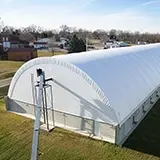
- Top-Tier Quality: We never compromise on materials—our 12-oz polyethylene fabric and high-grade steel are built to last. Everything is crafted and quality-controlled at our Audubon, Iowa facility.
- 100% American-Made: Our structures meet all U.S. manufacturing standards and qualify for all federal programs.
- Fully Customizable: No two operations are alike. We’ll work with you to design a building that suits your specific goals and layout.
- Comprehensive Service: We offer maintenance and repair services for any fabric structure, not just our own—everything from entire recovers, tightening bolts, to patching panels.
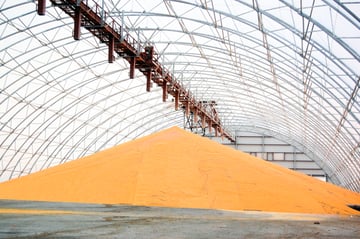
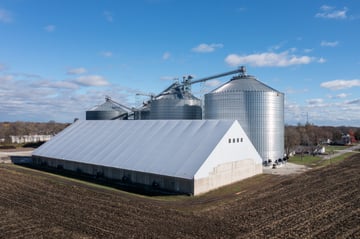
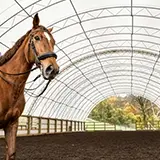
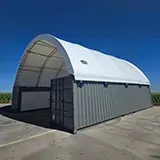
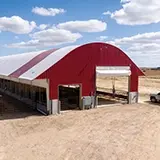
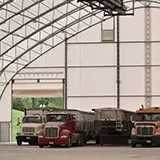
- Versatility: Accu-Steel buildings can easily adapt to store other commodities like grain, feed ingredients, livestock, or equipment during the off-season.
Built Around Quality. Designed for You.
At Accu-Steel, we pride ourselves on building long-term relationships by providing personalized, high-quality solutions. If you’re considering on-farm fertilizer storage, reach out to Tony and the Accu-Steel team early in your planning process—we’ll help you find the right fit and guide you every step of the way.
Subscribe to our blog
Be the first to learn about Accu-Steel’s newest innovations, building profiles, and projects around the world.
You May Also Like